
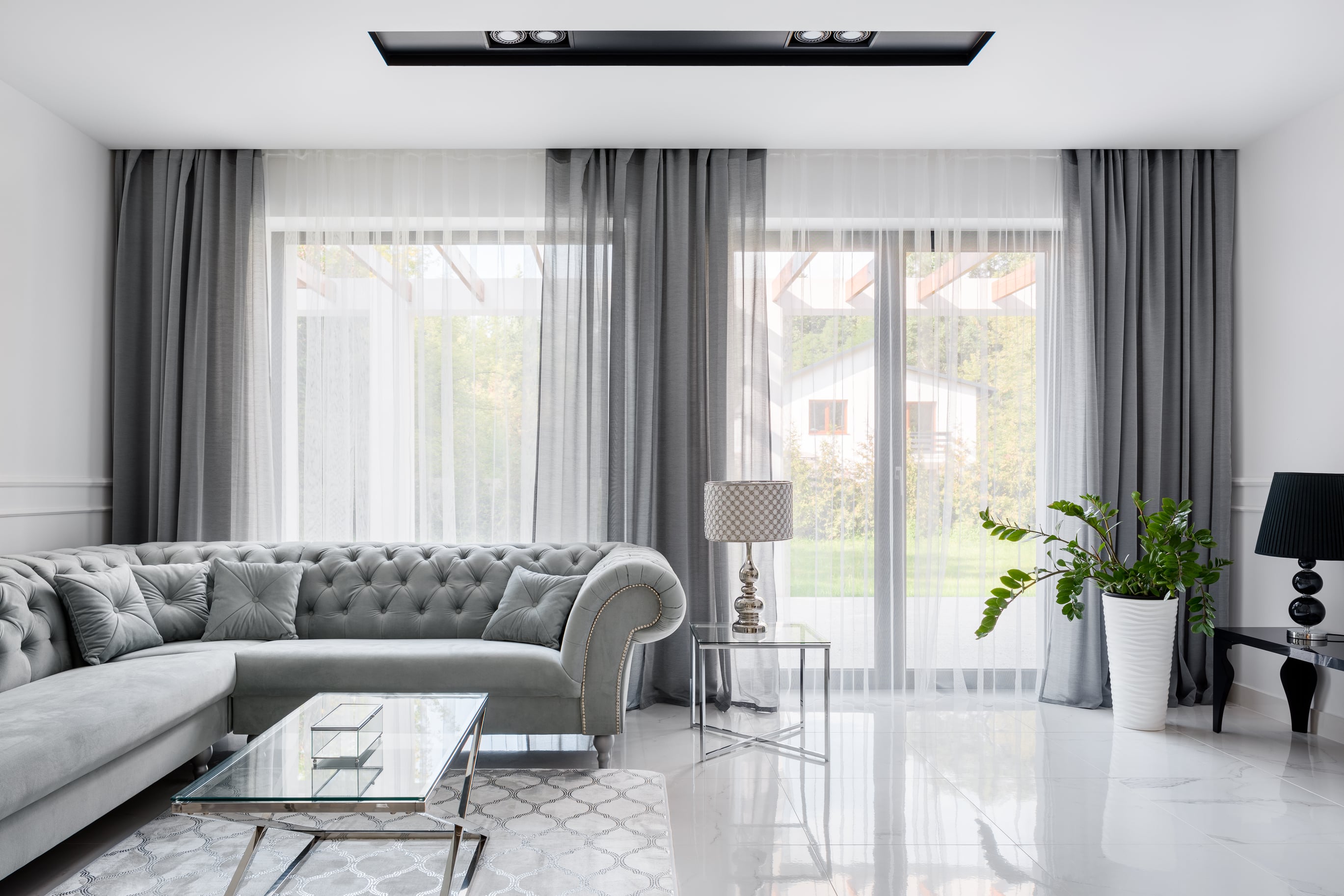
Moisture-resistant and versatile — tile is the go-to for kitchens, bathrooms, entryways, and any space where water resistance and lasting durability matter most.
Tile flooring has been a staple in Utah homes for decades, and its popularity continues to grow as homeowners discover the range of styles available today. Porcelain and ceramic tile come in wood looks, concrete looks, marble looks, and bold geometric patterns — so tile is no longer limited to bathrooms and kitchens. It is showing up in entryways, laundry rooms, mudrooms, and even living areas, especially in southern Utah where cool-underfoot tile is a relief during hot summers. In a state where outdoor recreation is a way of life, tile handles the wear and moisture that come with it. Snow-covered boots, muddy hiking shoes, wet swimsuits — tile shrugs it all off without staining, warping, or absorbing odors. Porcelain tile in particular is extremely dense and frost-resistant, which is why it is also a strong choice for covered patios and outdoor-adjacent spaces in Utah. Ogden’s carries floor tile, wall tile, mosaics, and large-format porcelain slabs across our showrooms. Our installation teams handle everything from straightforward bathroom floors to complex patterns with heated underlayment systems — a popular upgrade in Utah homes with cold tile during winter mornings.
Both are made from clay fired in a kiln, but the differences matter:
| Property | Porcelain | Ceramic |
|---|---|---|
| Water absorption | Less than 0.5% | 0.5–3% |
| Density | Very high | Moderate |
| Frost resistance | Yes | Limited |
| Hardness | Higher (harder to cut) | Lower (easier to cut) |
| Cost | $$–$$$$ | $–$$$ |
| Best for | High-moisture, outdoor-adjacent, heavy traffic | Walls, backsplashes, light-traffic floors |
For Utah floors, porcelain is the stronger choice in most cases. Its low water absorption makes it safe for any room, and its density means it resists chipping from dropped objects.
Grout color and type affect both appearance and maintenance. Epoxy grout resists staining and mildew far better than standard cement grout — worth the upgrade in bathrooms and kitchens. Darker grout colors hide dirt better in entryways and mudrooms.
The natural choice. Use porcelain floor tile with a textured or matte finish for slip resistance when wet. Mosaic tile (2×2 or penny round) works well on shower floors because the extra grout lines add traction. Consider radiant floor heating beneath the tile — it eliminates the cold-tile shock on winter mornings and is one of the most popular upgrades our Utah customers request.
Porcelain tile in a large format (12×24 or bigger) is practical and visually striking. It handles spills, heat, and heavy foot traffic without fading or staining. Wood-look porcelain is a popular choice for homeowners who want a warm aesthetic with tile’s waterproof durability.
These are the highest-abuse zones in a Utah home — snow, mud, gravel, and salt come in daily during winter. Choose a durable porcelain tile in a mid-tone color with a textured surface for grip. Darker grout here will save you cleaning time.
Tile is the safest bet in a room where water leaks are always possible. Porcelain with a slight texture prevents slipping when wet. Keep it simple — this room does not need complex patterns.
In St. George, Cedar City, and other warm-climate areas, tile’s cool-underfoot property is an advantage, not a drawback. Large-format stone-look or concrete-look tile creates a modern, comfortable living space that stays cool even in July.
Tile is the best conductor among all flooring types for radiant heat systems. If you are building new or remodeling to the subfloor, adding electric radiant mats beneath tile is a worthwhile investment for Utah winters. It is especially popular in master bathrooms, entryways, and kitchen floors.
In their words
“He worked diligently with me to ensure that I stayed within my budget and even helped me save money.”
 Maureen M.Sandy showroom · Posted on Google
Visit a showroom to see and feel the difference, or have our Mobile Flooring Showroom bring samples to your home.